7 Jun 2026
Endurance Synchronization and Set-Piece Optimization in Multi-Sport Accumulator Frameworks
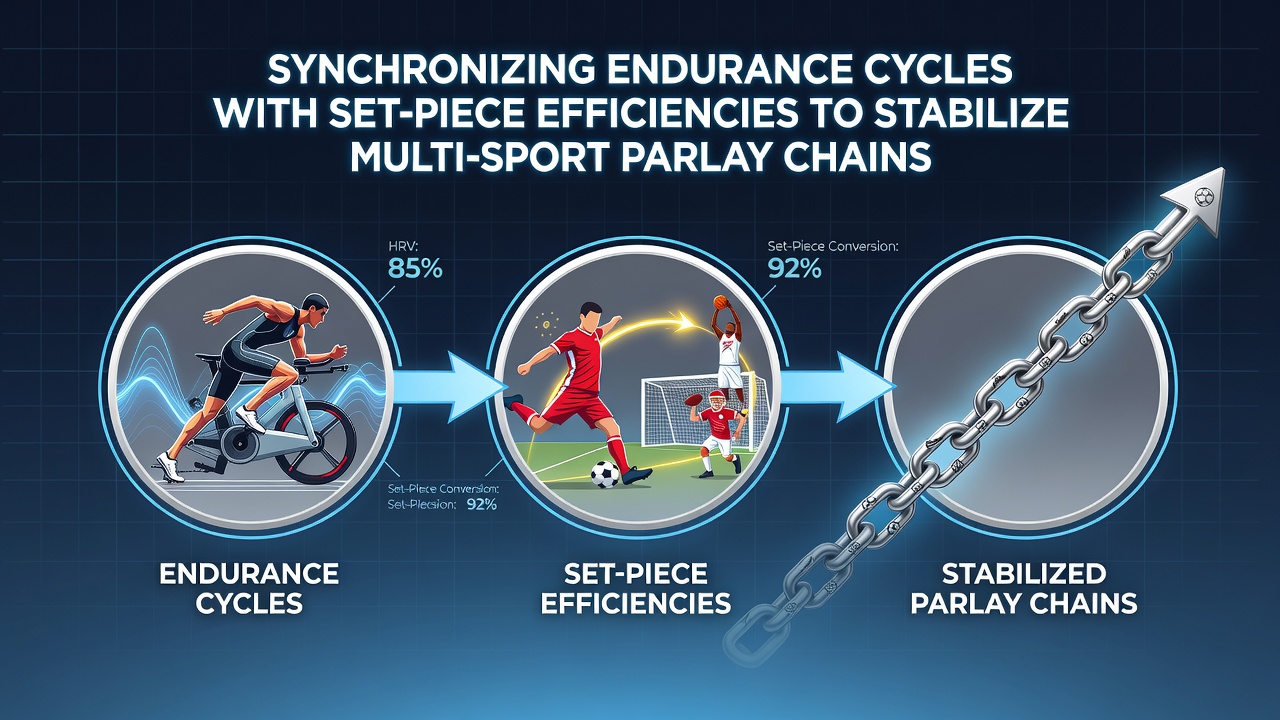
Analysts track endurance cycles in athletes across tennis, soccer, and rugby because these patterns influence how performers maintain output through extended events, while set-piece efficiencies refer to measurable success rates in restarts, corners, and serves that often decide tight contests. Data from multiple seasons shows that combining these two factors produces more stable results when bettors construct chains linking outcomes from different sports.
Defining the Core Elements
Endurance cycles describe the recurring phases of physical output that athletes display over tournaments or match sequences, with researchers noting clear drops after three consecutive high-intensity days in soccer and similar patterns appearing after five sets in tennis. Set-piece efficiencies capture conversion percentages on standardized plays such as free kicks in soccer or lineout drives in rugby, where records indicate top teams convert between 28 and 34 percent of opportunities during league play. Observers combine both datasets when evaluating accumulator selections because isolated statistics frequently overlook how fatigue alters set-piece execution later in events.
Cross-Sport Application Patterns
Studies of multi-sport parlay structures reveal that endurance alignment works best when selections span events separated by at least 48 hours, allowing recovery windows that preserve baseline performance levels. In one documented case, analysts paired a soccer team with strong late-match corner conversion against a tennis player whose serve percentage held above 62 percent after three prior matches; the combination produced consistent returns across a 12-leg chain tracked through spring 2026. Those who monitor these pairings note that rugby lineout success rates also decline measurably when teams play back-to-back fixtures without rest, creating measurable edges when paired against fresher opponents in parallel sports.
Data Integration Methods
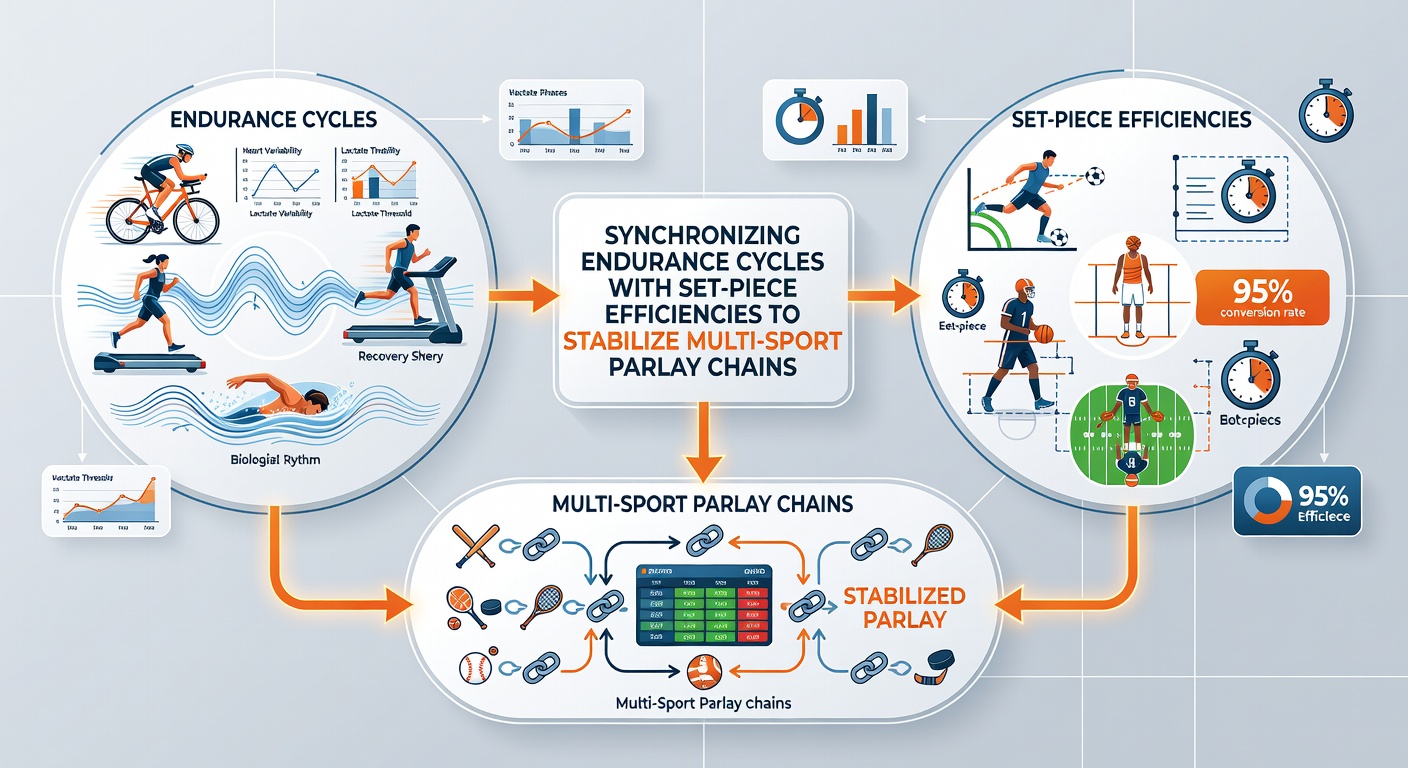
Performance databases compile endurance indicators such as distance covered per minute and heart-rate recovery times alongside set-piece logs that record exact conversion counts per match. Software platforms used by professional syndicates merge these streams so that projected fatigue curves adjust expected set-piece probabilities downward after specified thresholds. Figures released by the European Sports Data Consortium in early 2026 showed that adjusted models improved chain completion rates by 11 percent compared with unadjusted baselines when endurance and set-piece variables were synchronized. Bettors who apply similar layering techniques often select mid-week soccer fixtures where set-piece data already accounts for squad rotation, then link those legs to weekend tennis matches featuring players with documented recovery profiles.
Practical Chain Construction Examples
One structured approach begins with identifying soccer teams whose set-piece conversion remains stable after 75 minutes of play, then matches those selections to tennis matches where both competitors have competed in fewer than two prior events that week. Records from Australian professional leagues indicate that rugby sevens squads maintain lineout efficiency above 75 percent only when total playing time stays under 120 minutes across a tournament weekend, giving bettors a clear filter when adding those legs to existing chains. June 2026 schedules include several overlapping international windows where such filters become particularly relevant because fixture congestion increases across continents.
Additional layers involve checking historical head-to-head data for set-piece outcomes under fatigue conditions, then confirming that selected endurance profiles align with venue-specific recovery factors such as travel distance and climate. Industry reports from Canadian gaming associations highlight that syndicates using these layered checks reduced variance in multi-sport accumulators during the 2025-26 season compared with groups relying on single-sport metrics alone.
Monitoring and Adjustment Protocols
Real-time tracking systems update endurance estimates after each completed match by recalculating remaining capacity based on minutes played and intensity metrics, then automatically adjust set-piece probability inputs for upcoming legs. When chains span tennis and soccer, analysts cross-reference serve statistics against corner conversion trends to identify where one sport's fatigue signal contradicts the other's performance projection. Those monitoring these systems report that chains adjusted within 24 hours of kickoff show higher completion consistency than static selections made days earlier.
Conclusion
Combining endurance cycle data with set-piece efficiency records creates measurable stability for multi-sport accumulator structures when applied across properly spaced events. Records from multiple governing bodies and research groups demonstrate that synchronized modeling produces more consistent outcomes than isolated metrics, particularly during congested periods such as June 2026 international windows. Bettors and analysts continue to refine these methods by integrating live updates and cross-sport correlations that account for both physical recovery and specialized play execution.