22 May 2026
Integrating Endurance Data Across Tennis Matches, Soccer Pressing Sequences and Long-Distance Events
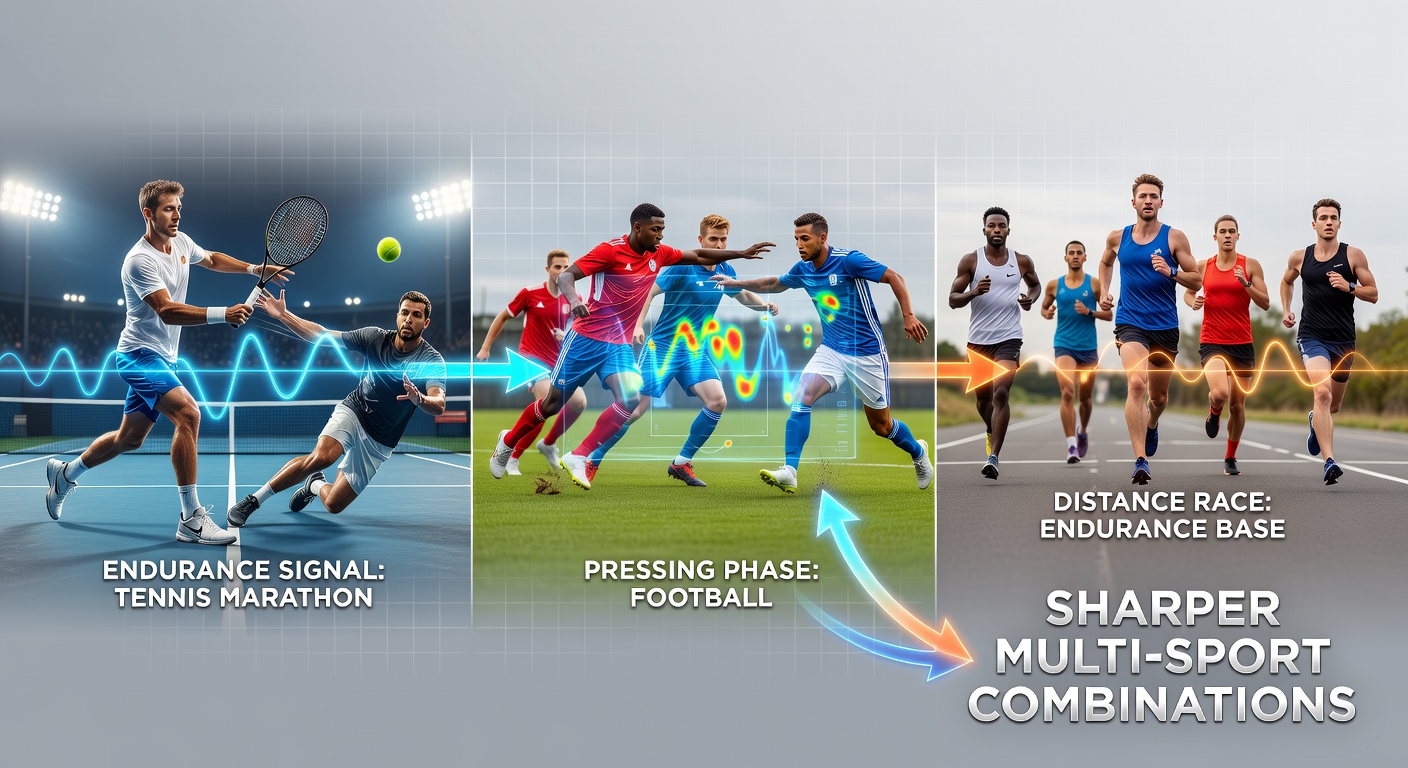
Coordinating physiological markers such as heart rate variability, lactate thresholds and perceived exertion allows athletes to blend demands from extended tennis rallies, intense soccer pressing blocks and sustained running efforts into cohesive training programs, while researchers at institutions like the American College of Sports Medicine have documented consistent patterns in how these signals interact across modalities.
Long tennis matches often stretch beyond three hours and feature repeated high-intensity bursts separated by brief recoveries, which creates unique fatigue profiles that differ from the continuous aerobic load in distance races yet share overlapping cardiovascular strain with soccer's repeated pressing phases, where teams maintain high work rates for 10 to 15 minute stretches before tactical resets occur.
Physiological Overlaps in These Disciplines
Studies from the Australian Institute of Sport reveal that tennis players experience repeated elevations in blood lactate during tiebreaks and long sets, whereas soccer players accumulate similar metabolites during pressing sequences that require rapid directional changes and recovery jogs, and distance runners maintain steadier but prolonged lactate levels that peak near the end of events exceeding 10 kilometers.
These shared metabolic responses mean that monitoring tools calibrated for one sport can transfer effectively to others when athletes combine them, provided the data streams account for differing movement patterns and recovery intervals that each discipline imposes.
Monitoring Tools and Signal Synchronization Methods
Wearable devices now track real-time metrics including oxygen saturation, core temperature and neuromuscular fatigue, which enables coaches to align training loads so that a tennis session emphasizing baseline endurance does not interfere with a subsequent soccer pressing drill or a scheduled distance run later in the week.
Software platforms aggregate these inputs into unified dashboards that flag when cumulative stress from multiple sessions approaches critical thresholds, allowing adjustments such as shortening a planned run or modifying pressing intensity based on data collected from earlier activities.
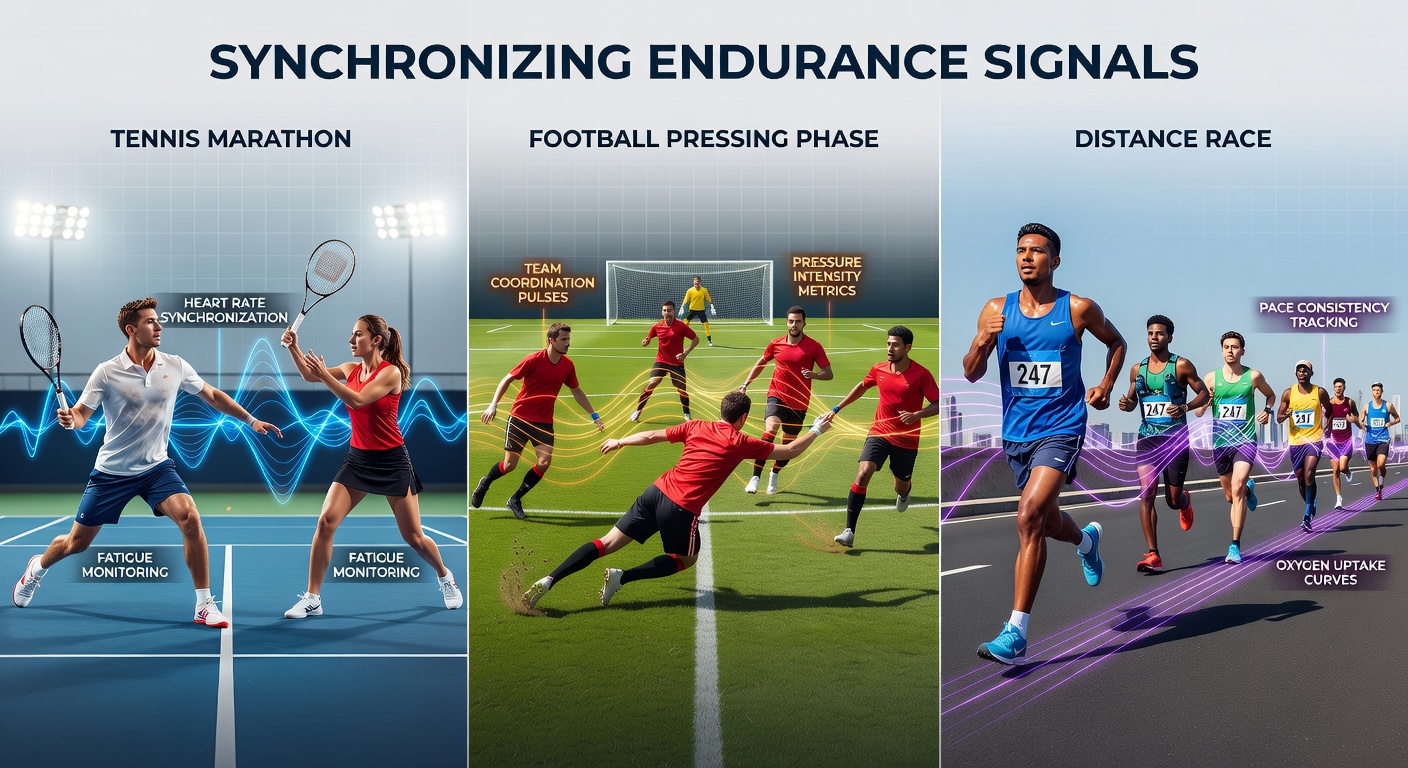
One case documented by European sports science groups involved a triathlete who incorporated tennis-specific drills into weekly schedules alongside soccer-style interval work and longer runs, with synchronization achieved through daily heart rate variability readings that guided recovery protocols and prevented overreaching across the three activities.
Practical Training Integration Strategies
Periodization models divide the year into phases where emphasis shifts between sports while maintaining baseline endurance in the others through shorter, targeted sessions that preserve signal alignment rather than allowing full detraining in any single area.
Coaches often schedule tennis endurance work on days when soccer pressing volumes remain moderate, then follow with recovery-focused runs that emphasize aerobic base rather than speed, thereby keeping overall fatigue signals within manageable ranges as confirmed by repeated field testing.
Nutrition and hydration protocols also adapt across these combinations because tennis matches in warm conditions accelerate fluid loss differently than steady-state running or the stop-start nature of pressing phases, yet synchronized monitoring helps standardize intake recommendations based on total daily load rather than isolated sessions.
Performance Outcomes and Data Insights
Longitudinal tracking by Canadian university researchers shows that athletes who synchronize endurance signals across these sports maintain higher consistency in competition outputs, with fewer instances of late-match or late-race performance drops compared to those training modalities in isolation.
Recovery metrics improve when data from tennis, soccer and running feed into the same system because early warning signs in one discipline prompt load reductions that benefit the others before cumulative fatigue becomes limiting.
Conclusion
Effective synchronization of endurance signals therefore rests on consistent data collection, thoughtful scheduling and cross-sport awareness that respects the distinct yet interconnected demands of prolonged tennis, soccer pressing and distance running, while emerging technologies continue to refine how these elements combine for athletes pursuing multi-disciplinary performance goals.