5 Jun 2026
Navigating Resource Limits to Maximize Returns from Combined Sports Event Forecasts

Combined sports event forecasts demand careful allocation of finite resources including capital, time, and analytical capacity because multi-leg predictions across football, tennis, and horse racing multiply both potential returns and exposure to variance. Observers note that participants who treat these forecasts as integrated systems rather than isolated wagers achieve more consistent outcomes when they establish clear boundaries on stake sizing and data inputs before events begin.
Defining Resource Boundaries in Multi-Leg Predictions
Resource limits encompass bankroll percentages, computational tools for probability modeling, and access to real-time statistics yet many forecasters overlook how quickly these elements compound when linking several events into single outcomes. Data from industry analyses show that structured limits on daily exposure prevent rapid depletion during sequences of correlated results, especially when events occur across different time zones and sports. Researchers at the University of Nevada Reno have documented how disciplined allocation protocols reduce variance in long-term yield for participants who combine forecasts systematically.
Those who study performance patterns find that setting hard caps on total committed capital per forecast cycle allows recalibration after each round of results without emotional interference. June 2026 brought fresh datasets from European betting markets that highlighted how participants maintaining strict per-forecast budgets weathered periods of clustered outcomes more effectively than those operating without predefined ceilings.
Allocating Capital Across Correlated Events
Effective capital distribution starts with identifying independence levels between selected events because heavily correlated legs, such as multiple matches within the same tournament, increase overall risk even when individual probabilities appear favorable. Analysts recommend dividing available resources into segments where no single combined forecast exceeds a fixed proportion of total bankroll, a practice that maintains operational continuity across multiple cycles. Evidence from longitudinal tracking indicates this segmented approach preserves capacity for subsequent opportunities that arise after initial results settle.
What's interesting is how software platforms now integrate automated stake calculators that enforce these boundaries in real time, reducing manual oversight errors. Participants who adopt such tools report steadier progression because the systems flag potential overcommitment before wagers finalize, allowing adjustments based on updated odds and probability revisions.
Leveraging Data Inputs Without Overextension
Information sources range from official league statistics to proprietary models yet processing excessive datasets consumes time that could otherwise support additional forecast cycles. Observers note successful practitioners curate limited, high-quality inputs focused on key variables like historical head-to-head records, current form metrics, and situational factors rather than attempting comprehensive coverage of every available statistic. This selective approach minimizes processing overhead while maintaining forecast integrity across combined events.
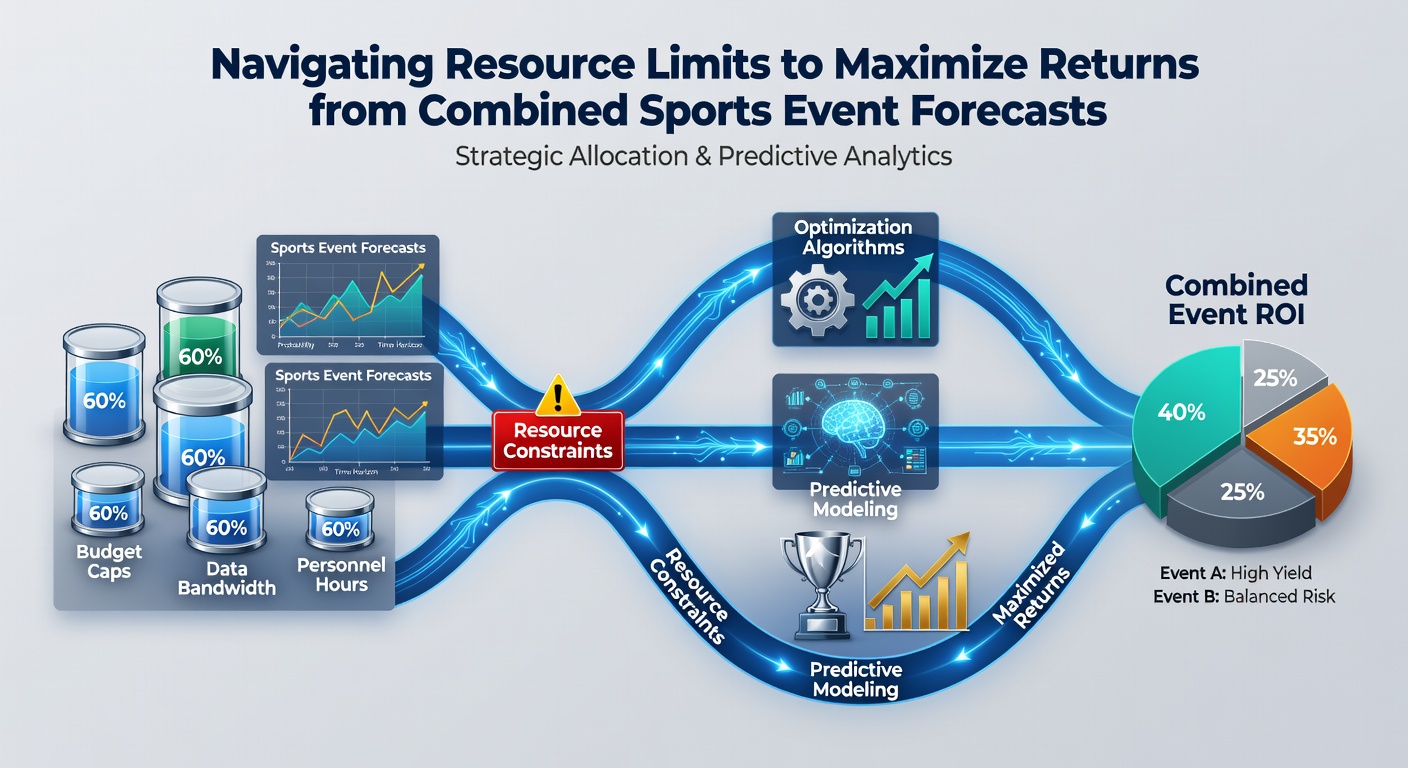
Academic studies from the Australian Gambling Research Centre demonstrate that streamlined data pipelines correlate with higher sustained returns because they reduce cognitive load and enable faster decision cycles. In practice this means prioritizing verified sources over volume, then cross-referencing only when discrepancies appear in core metrics. Those who've implemented such filters discover they can evaluate more combined forecast opportunities within the same timeframe without sacrificing accuracy.
Adjusting Strategies as Market Conditions Evolve
Odds movements and external factors like participant availability require ongoing monitoring yet constant checking drains both time and attention resources that support broader portfolio management. Forecasters who establish scheduled review windows rather than continuous tracking maintain sharper focus on primary variables while still capturing meaningful shifts. Reports compiled through 2026 indicate that scheduled monitoring intervals helped participants avoid reactive adjustments that often erode edges in multi-event structures.
But here's the thing: integration of alert systems from betting exchanges and data aggregators allows targeted notifications without constant screen presence, freeing capacity for deeper analysis on new forecast combinations. This balance between vigilance and restraint supports sustained operation across varying market conditions.
Conclusion
Maximizing returns from combined sports event forecasts ultimately depends on explicit management of capital, time, and data resources within defined parameters. Research indicates that structured boundaries, selective information use, and scheduled adjustments produce more durable performance patterns than unrestricted approaches. As markets continue evolving, those who treat resource navigation as a core component of their forecasting process position themselves for consistent evaluation cycles rather than episodic gains.