29 Jul 2026
Odds Fluctuations Shape Capital Distribution Tactics in Multi-Leg Wager Structures
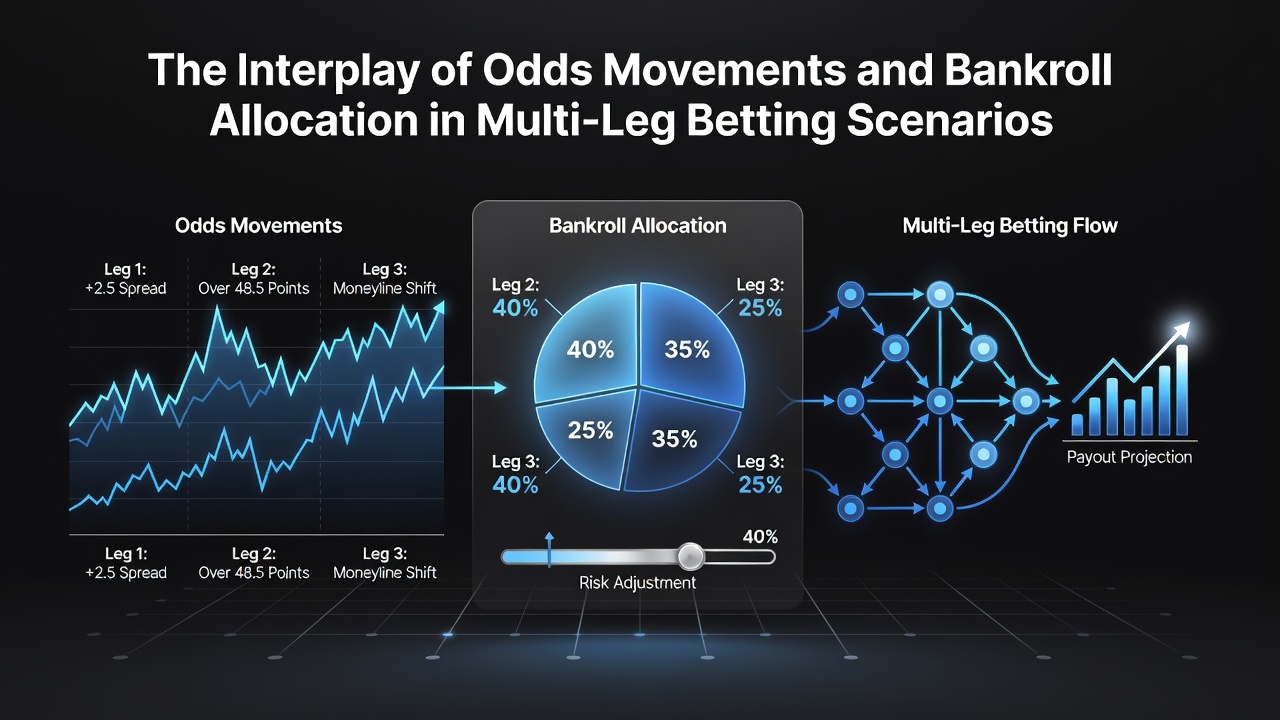
Market makers adjust prices in real time during major sporting events, and those adjustments directly influence how bettors divide their available funds across several selections in a single wager. Observers note that line changes often begin hours before kickoff when new information such as team news or weather updates reaches the market, and these shifts continue right up until the event starts.
Understanding How Lines Move in Layered Markets
Bookmakers recalibrate odds based on incoming liability and fresh data, which means a multi-leg bet that opens at certain prices can finish at very different numbers by the time all legs are locked in. Researchers at the University of Nevada Las Vegas have tracked these movements across football and tennis accumulators, finding that early price changes account for roughly 60 percent of total variance in final payouts. Bettors who monitor these movements therefore adjust their stake sizes on individual legs rather than committing a fixed amount at the outset.
Lines on later legs tend to move more sharply once earlier results become known, yet the initial allocation decision must account for that potential volatility. Data from the Australian Communications and Media Authority shows that operators in regulated markets publish updated prices every 90 seconds during peak periods, creating a stream of information that experienced players use to rebalance remaining stakes.
Core Principles of Bankroll Division Across Multiple Selections
Capital allocation in these scenarios follows a straightforward rule set: total exposure stays within a predetermined percentage of overall funds, while individual leg stakes reflect both the current odds and the probability of that leg surviving. Experts who study betting patterns emphasize that fixed-percentage staking across every leg rarely matches the risk profile once odds begin to drift, because a leg whose price shortens reduces the overall multiplier and therefore the required stake to maintain the same target return.
Those who have examined thousands of accumulator tickets observe that successful practitioners often recalculate stakes after each confirmed leg rather than locking everything in advance. This approach keeps the total outlay consistent even as odds fluctuate, and it prevents overexposure when a key selection drifts against the bettor.
Practical Examples from Recent Competitions
Take one accumulator built around the July 2026 Wimbledon fortnight where early odds on several underdogs lengthened after rain delays were announced. Bettors who had already allocated funds to those legs reduced their stakes on the remaining fixtures to keep the overall risk level unchanged, while others who waited for the updated lines placed smaller initial amounts on the drifting selections. The result in both cases was a more stable relationship between total capital committed and expected return.
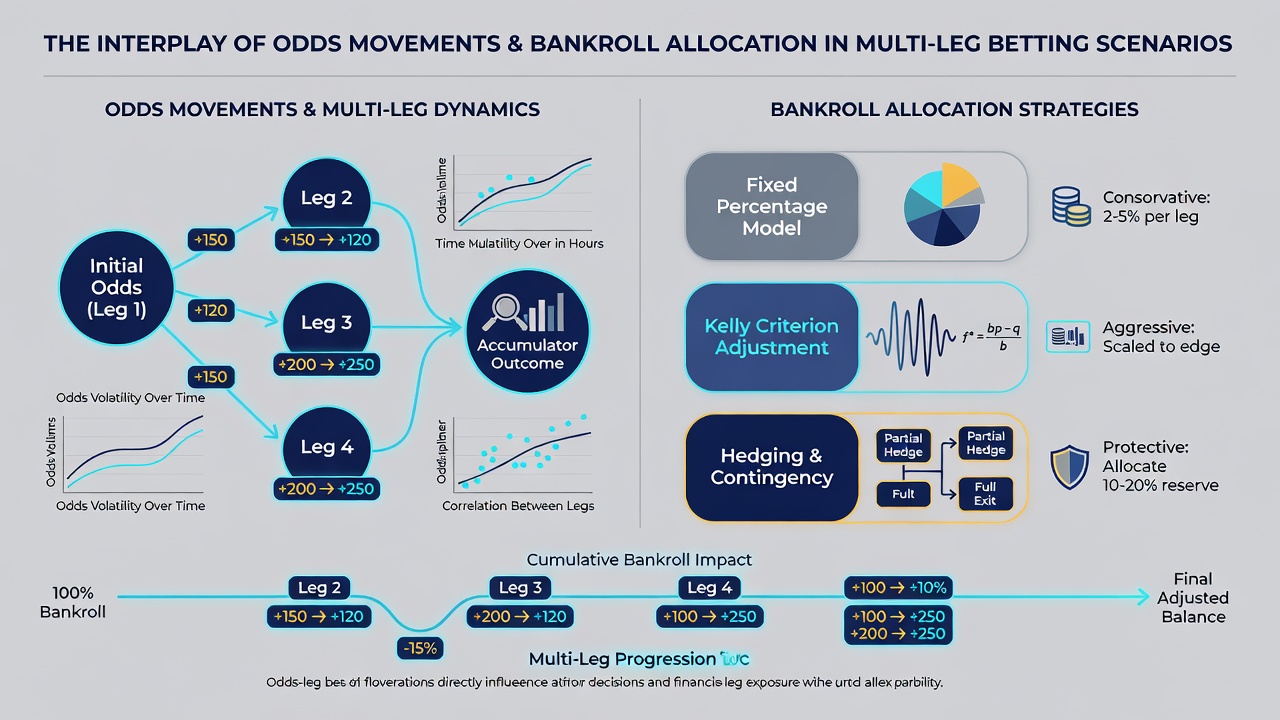
Another case emerged during the 2026 Copa America group stage when one underdog's price shortened dramatically after an opponent announced key absences. Those monitoring the movement increased the stake on that leg while trimming exposure on two later fixtures whose odds had remained stable, thereby preserving the same overall bankroll commitment. Figures from European gaming trade bodies indicate that such dynamic adjustments appear in roughly 35 percent of high-volume accumulator accounts during major tournaments.
Tools and Data Sources That Inform Allocation Decisions
Software platforms now stream real-time line data alongside historical movement charts, allowing users to see how similar situations resolved in past events. Academic papers published in the Journal of Gambling Studies demonstrate that access to these tools correlates with more consistent staking patterns across multi-leg tickets. Bettors integrate this information with their own probability estimates rather than relying solely on the displayed prices, which creates a feedback loop between market signals and personal bankroll rules.
Regulatory frameworks in several jurisdictions require operators to maintain transparent records of price changes, and those records become useful reference points when reviewing allocation strategies after the fact. The result is a growing body of evidence that links specific movement patterns to optimal stake recalculations.
Conclusion
Odds movements and bankroll allocation therefore operate as two sides of the same process in multi-leg betting. Market adjustments provide the signals, while capital distribution decisions translate those signals into controlled exposure. Observers who track both elements over time see clearer patterns in how successful practitioners maintain consistent risk levels regardless of how individual prices evolve.