12 Jun 2026
UK Gambling Commission Flags Declining AML Standards and AI Shortfalls at GAMLG Conference
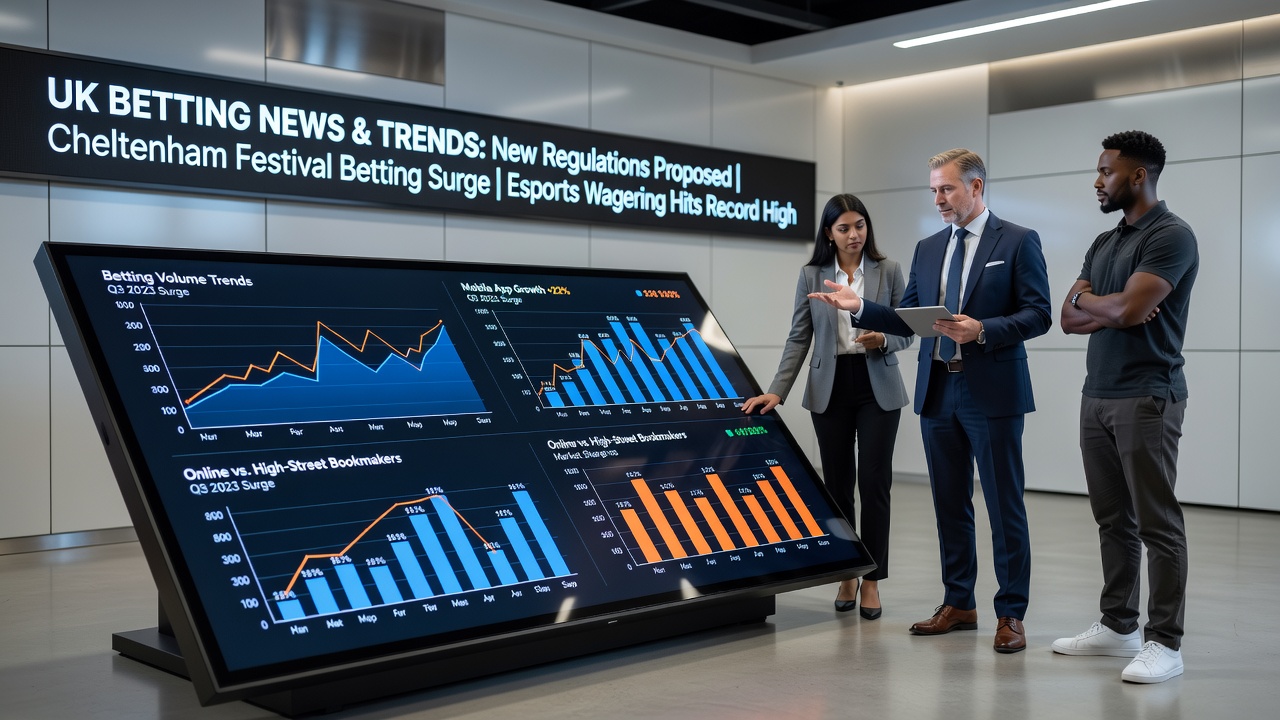
John Pierce, Director of Enforcement at the UK Gambling Commission, delivered a direct warning during the Gambling Anti-Money Laundering Group Annual Conference in June 2026, noting that anti-money laundering standards among British bookmakers have begun to slip while many AI-powered compliance tools fail to produce reliable outcomes in practice.
The address centered on the requirement that operators must prove their artificial intelligence systems function effectively before any deployment takes place, and this stance arrives alongside continued regulatory attention on illegal betting markets and overall compliance gaps.
Details from the GAMLG Annual Conference Address
Pierce outlined how some operators have introduced AI solutions for transaction monitoring and customer due diligence without sufficient prior validation, and the result has been inconsistent detection rates that leave certain high-risk patterns unaddressed. Data shared at the event showed multiple instances where automated alerts either missed suspicious activity or generated excessive false positives that overwhelmed compliance teams.
Those in attendance heard that the Commission expects every AI tool to undergo documented testing against real-world scenarios before it handles live customer data, and failure to meet this benchmark can trigger enforcement steps including license reviews.
Regulatory Expectations on AI Tool Validation
Operators now face a clear sequence of steps that include independent audits, performance benchmarking against historical case files, and ongoing monitoring once systems go live, while the Commission retains authority to request raw testing data at any point. Pierce stressed that responsibility remains with the license holder even when third-party vendors supply the technology.
Figures presented during the session indicated that roughly one in three recent compliance inspections revealed gaps traceable to inadequately vetted AI models, and the regulator plans to increase the frequency of targeted reviews in the coming months.

Focus on Illegal Markets and Broader Compliance
The speech also connected AML weaknesses to the persistence of illegal offshore sites that operate without Commission oversight, and enforcement teams continue to prioritize actions that disrupt these markets while supporting licensed operators who maintain robust controls. Pierce noted that effective AI deployment could strengthen barriers against illegal funds entering the regulated sector, provided the tools themselves are proven reliable.
Conference participants received updates on recent cases where operators faced penalties after automated systems overlooked structuring patterns and rapid fund movements across multiple accounts, and these examples served to illustrate why pre-deployment validation matters.
Industry Response and Next Steps
Representatives from several major operators confirmed they have already begun internal reviews of existing AI compliance platforms, and some have scheduled additional third-party testing to align with the new expectations outlined by Pierce. The Commission has indicated it will publish further guidance documents in the weeks following the conference to clarify testing standards and reporting formats.
Those who have studied similar regulatory shifts in other jurisdictions note that early preparation often reduces the risk of enforcement action once new rules take full effect, and British firms appear to be following that pattern based on statements shared at the event.
According to the GAMLG Annual Conference - John Pierce speech, the regulator will maintain close scrutiny of both AML performance metrics and the underlying technology choices that support them.
Conclusion
The June 2026 GAMLG conference has set a clearer benchmark for AI use in AML processes across the British gambling sector, and operators now understand they must demonstrate effectiveness before rollout while the Commission keeps its focus on illegal market disruption and sustained compliance improvement. The message delivered by John Pierce leaves little ambiguity about future expectations.